
How this region is different
Salt air and humidity work on equipment the way inland heat does not. Pads get watched for corrosion, covers, and salt cells — not a copied Piedmont checklist.
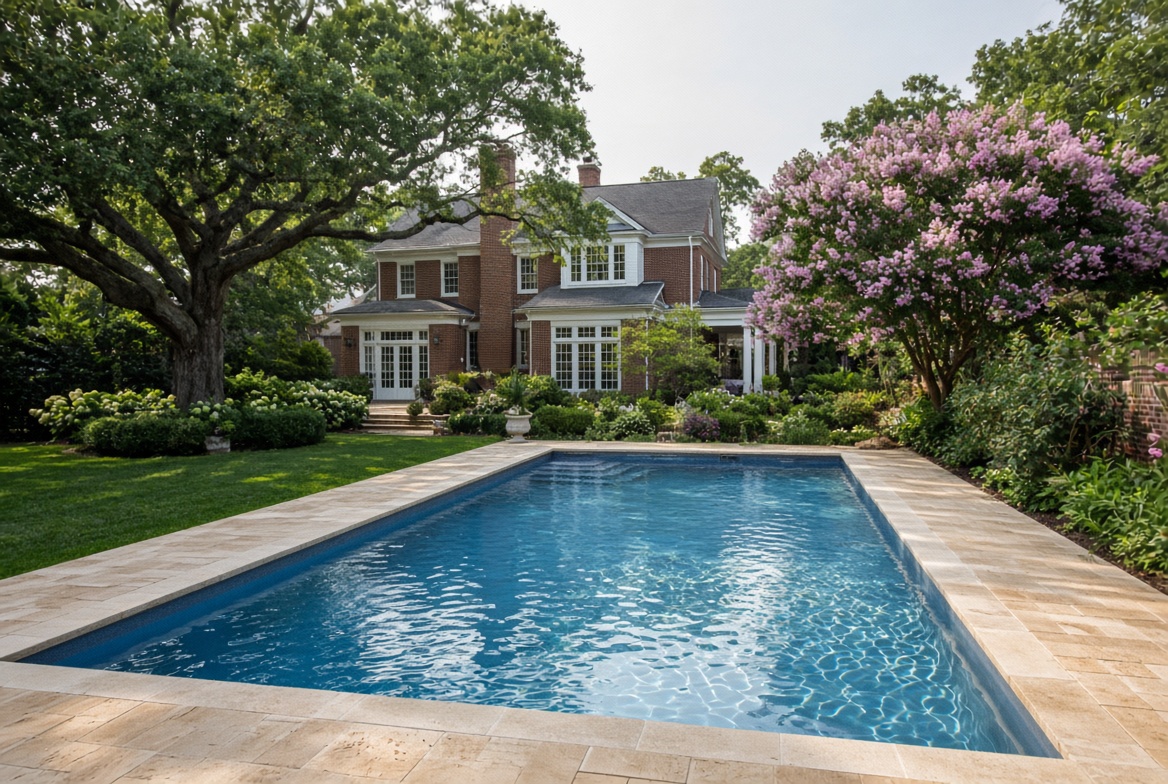
Tidewater Care · Hampton Roads
This is home base. Virginia Beach, Norfolk, Chesapeake, Newport News, Hampton, Portsmouth, Suffolk, and the Historic Triangle. Coastal humidity, pollen weeks, and a water table that comes with this edge of Virginia.
Salt air and humidity work on equipment the way inland heat does not. Pads get watched for corrosion, covers, and salt cells — not a copied Piedmont checklist.
Pollen and oak catkins in spring. Storm load in summer. A freeze that still arrives. Crepe myrtle and live oak do not wait on a generic calendar.
Routes start here, from the Virginia Beach office. We take the work we can serve on a real route.
Each page has its own title, H1, and local note. Not a name swap.
The office sits at 2 Constitution Drive, Suite 101. Great Neck, Alanton, Linkhorn, and Bay Colony yards live with salt air, a high water table, and HOA setbacks that shape the pad as much as the water. This is home base — the route we started here.
Ghent, Larchmont, and the wards along the Elizabeth River often bring older equipment, compact pads, and stormwater that sits after a tide-backed rain. We diagnose the pad before we guess at the water.
Western Branch, Great Bridge, and Deep Creek sit on a mix of sandy fill and heavier soils. Oak debris and wide suburban lots mean the filter and the cover do more work than the oceanfront yards to the east.
The Peninsula sits between river and road. Equipment sees humidity without always seeing salt spray. Routes here are planned with Hampton and York so the technician is not inventing a one-off day.
Fox Hill, Mercury, and the older waterfront streets often mix vintage pads with new finishes. We do not assume the equipment matches the waterline tile.
Churchland and the river neighborhoods bring smaller lots and pads that were built when the house was. Access and neighbors matter. We work the stop without turning the visit into a show.
Northern Suffolk sits on the Hampton Roads edge with larger lots and more oak than the oceanfront. The pad is often farther from the house. We still photograph it before we leave.
HOA communities around Kingsmill and Ford’s Colony have their own equipment rules and oak canopy. We work with those constraints instead of fighting the pad into a Virginia Beach template.
York County lots sit between Williamsburg canopy and Peninsula humidity. Equipment sees river air without always seeing the ocean. Routes pair with Newport News so the week has a shape.
Poquoson sits on low ground next to the marsh. Storm surge and a high water table are facts for the pad, the cover, and the electrical. We do not treat this like an inland Chesterfield stop.
Outside the city limits the lots get larger and the wells more common. Makeup water and oak canopy change the chemistry story. We record what the test actually says.
Surry sits on the Hampton Roads coastal edge, not as a volume market. Yards are farther apart. If we take the stop, it gets the same pad inspection and the same notes — not a discounted drive-by.